

Last updated: November 13, 2026
Quick Summary
The best supplements for building muscle mass are creatine monohydrate and whey protein, because they are the ingredients with the most scientific evidence. Creatine is taken at 3 g daily, and whey protein covers the essential amino acids. Add carbohydrates or weight gainers only if you struggle to reach your daily calories.
- An effective supplement requires scientific evidence, a studied dose, and good bioavailability.
- GMP certification guarantees quality, hygiene, and safety standards in manufacturing.
- 300 g of Creapure® Creatine Monohydrate costs €32.95 and provides 3 g per serving.
- 1 kg of CFM Professional Isolate is GMP and Halal certified and costs €55.20.
- BCAAs only make sense if you train on an empty stomach or your diet is low in protein.
Table of Contents
- What a supplement must meet to truly build muscle mass
- Creatine for building muscle mass: the best-supported foundation
- Whey protein for building muscle: concentrate, isolate, or hydrolysate
- When to take creatine and protein to make the most of every dose
- Weight gainers and carbohydrates: when they make sense
- Comparison of supplements for muscle mass: dose, price, and cost per serving
- Gym supplements that work according to your diet and level
- Choose your supplementation protocol and start this week
- Frequently Asked Questions
What a supplement must meet to truly build muscle mass
Choosing among the best supplements for building muscle mass requires more judgment than most labels suggest. Since 1987, BEVERLY has been dedicated to sports supplementation. Only a handful of ingredients have real scientific backing, and it is best to be wary of promises that do not.
An effective supplement for building muscle mass is one whose active ingredient has reproducible scientific evidence, a dose that matches the studied amount, and a chemical form that the body absorbs well. Without those three filters, you are paying for well-flavored powder.
Before buying, ask yourself three things: what dose does it provide per serving?, what form of the ingredient does it use?, can I verify the quality with certifications? If a label does not answer this, discard it.
Scientific evidence, dose, and bioavailability: the three filters
Scientific evidence is the first filter. Creatine monohydrate and whey protein are the two ingredients with the most literature behind them; BCAAs, on the other hand, rarely provide anything if you already cover your daily protein intake.
The second filter is the dose. A label can boast a star ingredient and then include a token amount. Bioavailability is the third: creatine monohydrate is not the same as a form with lower absorption, nor is a whey isolate the same as a concentrate with more lactose.
How to read the label and spot a weak product
A weak product gives itself away quickly. Look at the order of ingredients, check the grams per serving, and be wary of proprietary blends that hide quantities. If the container does not indicate how many grams of creatine or protein each serving provides, you cannot calculate anything.
Also look at the certifications. GMP certification guarantees that the product is manufactured under quality, hygiene, and safety standards. In our range, it appears explicitly on the proteins, and it is a much more useful sign than any slogan.
Creatine for building muscle mass: the best-supported foundation
Creatine is one of the most studied supplements for strength and performance. It is associated with improvements in power during high-intensity workouts, such as heavy lifting or sprints, and with faster muscle recovery after demanding sessions.
The dose of 3 g daily appears in the directions for use of our product. That daily consistency matters more than the exact timing of the dose.
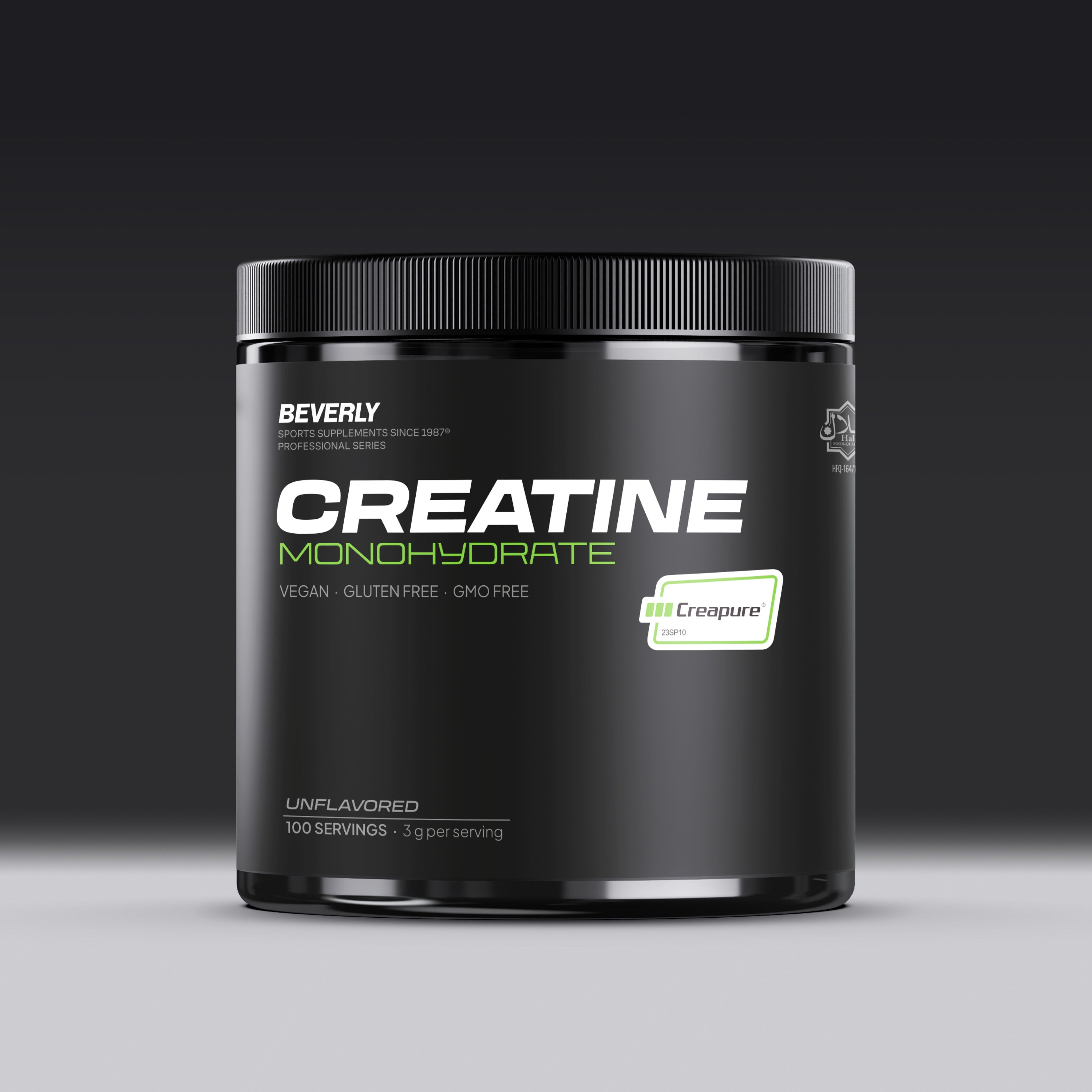
In our catalog you have two options. The 300 g Creapure® Creatine Monohydrate uses the Creapure® patent, is unflavored, and has guaranteed purity, at €32.95. The standard 300 g version, also monohydrate and unflavored, costs €24.90. Both are mixed with 200 ml of water and taken 30 minutes before or after training.
A common mistake: expecting results in two weeks. Muscle saturation takes weeks to stabilize, so assess progress by months, not by sessions.
Whey protein for building muscle: concentrate, isolate, or hydrolysate
Whey protein for building muscle provides essential amino acids, including leucine. The choice between concentrate, isolate, and hydrolysate depends on your digestive tolerance and your budget, not on a supposed absolute superiority.
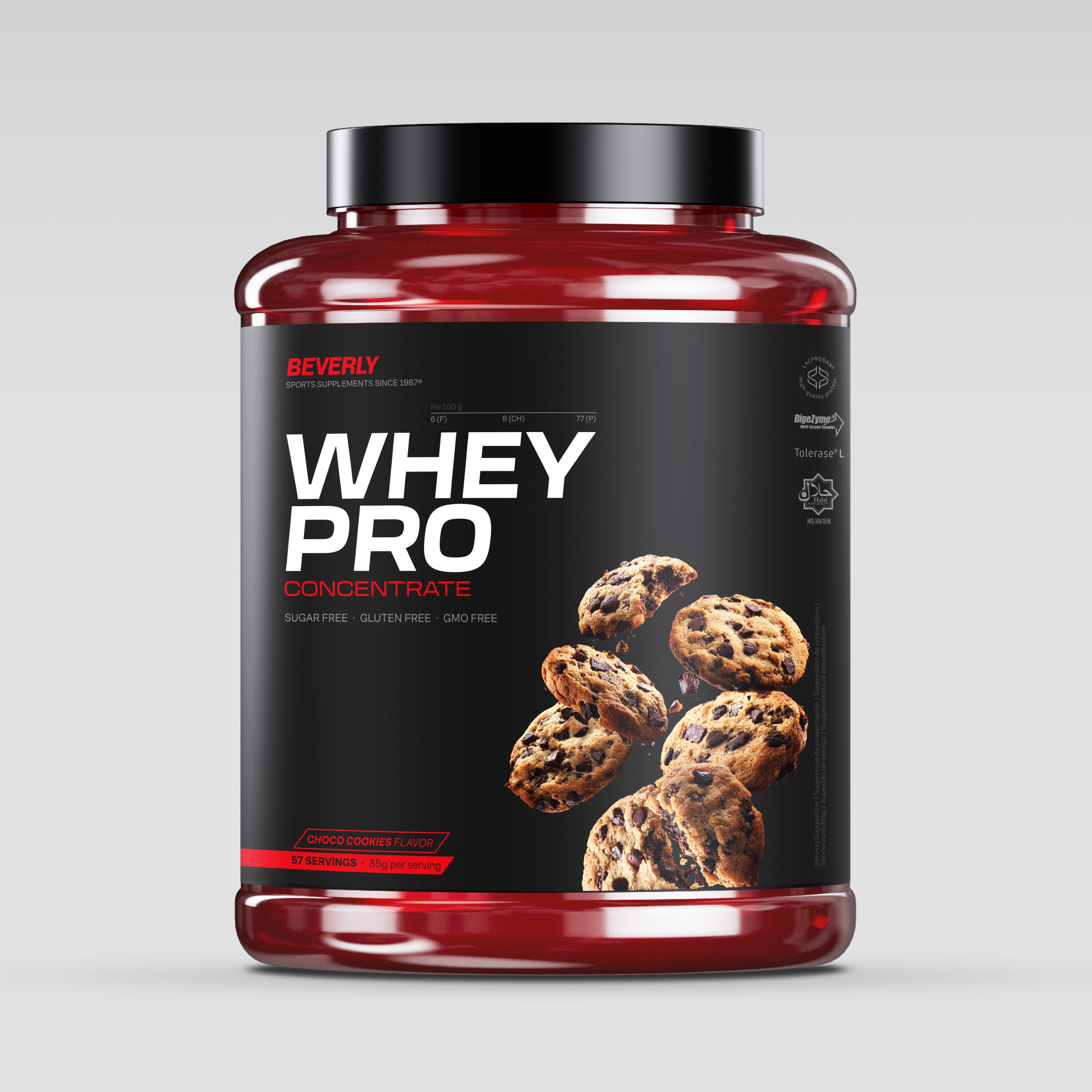
Our 2 kg Whey Pro Concentrate, with Choco Cookies flavor, includes Digezyme® and Tolerase® enzymes to improve digestion. It costs €78.90.
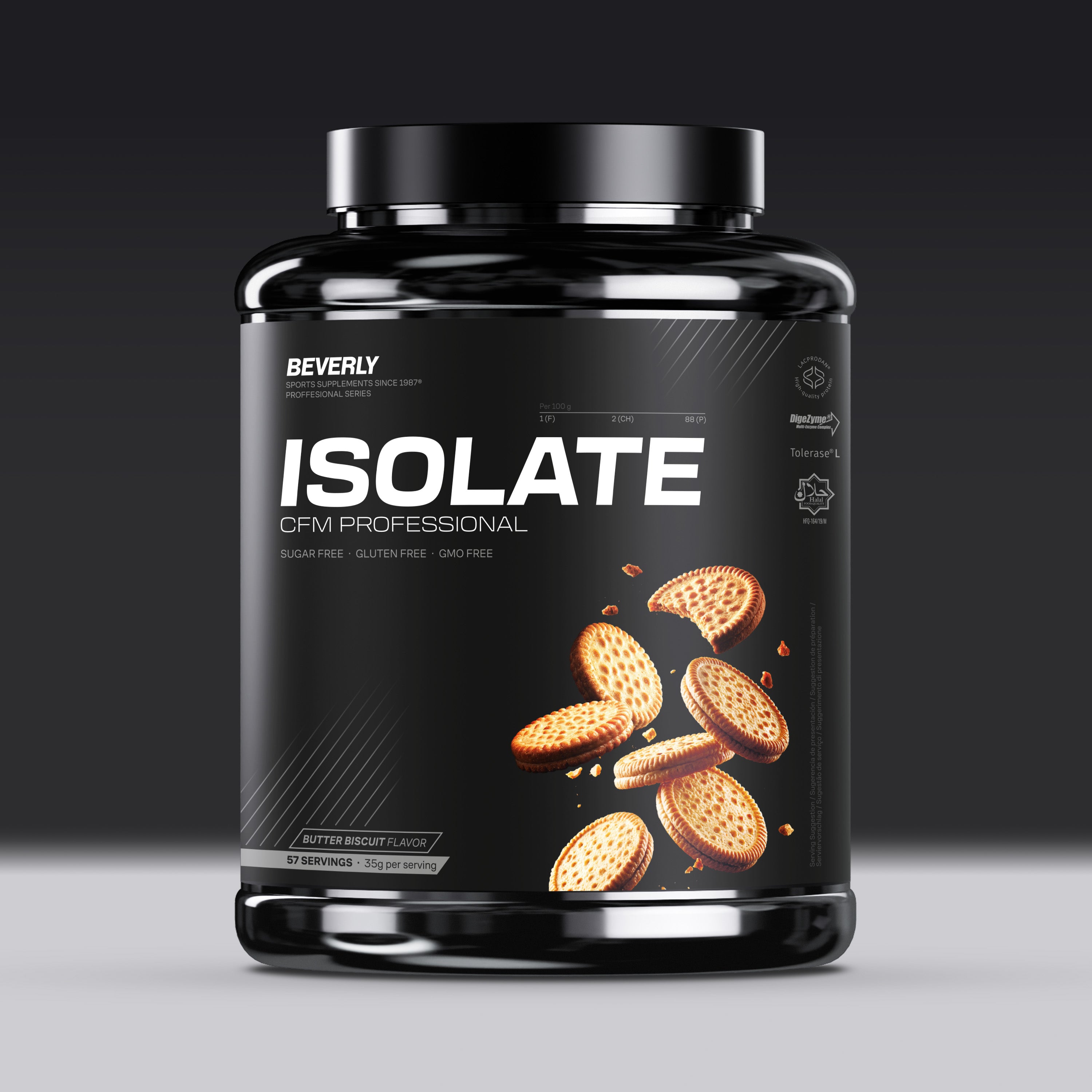
Isolate is best if you are looking for less fat and carbohydrates or if your stomach protests with the concentrate. The 1 kg Isolate CFM Professional is GMP and Halal certified, and costs €55.20.
Casein and slow-absorbing proteins
Casein is digested more slowly than whey. That slowness makes it useful in doses far from training, such as before bedtime, when many hours pass without protein intake. It is not essential, but it fits well if you train early in the morning.
Amino acids, BCAA, and HMB: when to use them and when not to
BCAAs make sense if you train on an empty stomach or your diet is low in protein. If you cover your daily intake, adding them is paying twice for the same thing. HMB has more limited evidence and does not replace the total protein of the day.
When to take creatine and protein to make the most of every dose
Knowing when to take creatine and protein matters less than what is repeated.
That said, a practical routine works well. Take creatine with the post-workout shake for convenience and consistency. Reserve protein for after training or to fill the gap between meals.
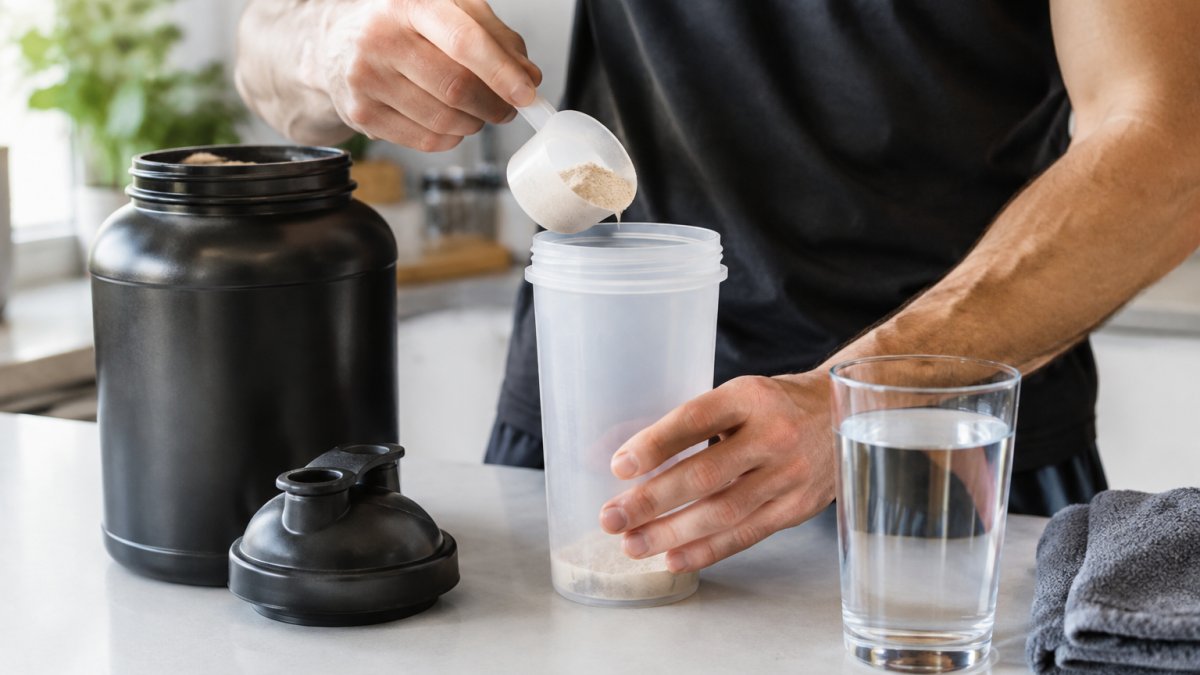
To prepare and transport your shakes, a 500 ml shaker with storage solves the problem of carrying the measured dose without spills.
Usage tip: if you take creatine and protein together, mix them in the same shake. You save one dose and reduce the risk of forgetting the creatine, the most common mistake.
Weight gainers and carbohydrates: when they make sense
Weight gainers and powdered carbohydrates make sense when the real problem is the caloric surplus, not the protein. If you struggle to reach your daily calories, they are a practical tool.
Our 5 kg Monster Mass combines carbohydrates and proteins with glutamine and taurine. The 3 kg Total Mass provides 18 g of protein and 39 g of carbohydrates per serving. Rice cream and oat flour are easy-to-use carbohydrate options.
Watch out for this: a weight gainer does not replace a balanced diet. If your diet already covers calories, adding it only adds fat.
Comparison of supplements for muscle mass: dose, price, and cost per serving
Before deciding, it is best to see the numbers together. This table summarizes the essentials of each option in our catalog.
| Product | Dose per serving | Price | Best for |
|---|---|---|---|
| Creapure® Creatine 300 g | 3 g | €32.95 | Maximum purity and evidence |
| Creatine monohydrate 300 g | 3 g | €24.90 | Tight budget |
| Whey Pro Concentrate 2 kg | 26.8 g protein | €78.90 | Volume and sensitive digestion |
| Isolate CFM 1 kg | 30.5 g protein | €55.20 | Definition and low tolerance |
| Monster Mass 5 kg | 18 g protein, 39.6 g carbohydrates | €52.35 | Fast metabolism |
| Total Mass 3 kg | 18 g protein, 39 g carbohydrates | €45.50 | Volume gain |
Price
Cost per serving is the figure almost no one calculates. A large container is more expensive upfront but reduces the cost of each serving, while smaller formats allow you to try without committing.
Gym supplements that work according to your diet and level
There is no universal list. The gym supplements that work depend on your diet, your level, and your digestive tolerance. Those starting need to cover protein; those who have been training for years can fine-tune with creatine and carbohydrates.
If you want to try before buying a large container, the 30 g Whey Pro Concentrate single-dose servings allow you to test flavor and tolerance with low risk.
Dynamite Pre Workout includes 3 g of Creapure® creatine per serving, in addition to beta-alanine and malate citrulline.
Safety, side effects, and interactions
If you have a medical condition, take medication, or undergo anti-doping tests, consult a professional and demand quality documentation from the manufacturer before buying.
Choose your supplementation protocol and start this week
Choosing well is half the work; the other half is consistency. A simple protocol beats any complicated stack that you abandon in three weeks.
Start with the basics: 3 g of creatine daily and enough protein to meet your goal. Add carbohydrates only if you struggle to reach your calorie target. Review your progress every month with the same scale and under the same conditions.
Since 1987, BEVERLY has offered in-house manufactured sports supplements, with GMP certification on several of its proteins. Our range is designed to support you in muscle growth.
Choosing supplements with criteria should not be an exercise in faith. At BEVERLY, we have been manufacturing what we sell since 1987, with GMP certification on our proteins and Creapure® creatine monohydrate of verified purity. If you want to start with the basics, our creatine of 3 g daily and our whey proteins give you the support you are looking for. Get started with BEVERLY and build your protocol around ingredients that work.
Frequently Asked Questions
What is the best supplement for gaining muscle mass?
There is no single one: creatine monohydrate is the one with the most evidence for strength and performance in high-intensity training, and whey protein covers the daily protein intake that is difficult to reach with food. If you choose a third, let it be for a specific deficiency in your diet, not because of a trend. The key is the daily dose and consistency over weeks, not accumulating tubs.
Does creatine help gain muscle even if you don't do a loading phase?
Yes. The loading phase accelerates muscle saturation, but it is not mandatory: with 3 g daily of creatine monohydrate, you reach the same level of saturation in a few weeks. What matters is taking it every day, whether you train or not, because the effect depends on keeping the tank full. That daily habit is what sustains strength and performance in strength training.
When to take creatine and protein to gain muscle?
Creatine works by accumulation, so the exact time matters little: choose a fixed time, for example with your post-workout shake, and stick to it. Protein should be divided into several servings throughout the day, with a serving after training. If you train on an empty stomach or spend many hours without eating, take your protein earlier. Consistency matters more than timing precision.
Can you gain muscle mass without supplements?
Yes, as long as your diet covers daily protein and a caloric surplus, and your strength training includes progressive overload. Supplements solve specific problems: they reach where food does not, they are practical after training, and If your nutrition is already well adjusted, you will notice less difference when adding them.
What muscle-building supplements are safe?
If you compete with anti-doping tests, ask the manufacturer for the batch analysis certificate.
